
#100 Three things I learned building Paved States at NeoCon
Nine months with NeoCon, Haworth, and Patricia Urquiola, and what I'd actually tell you.
I spent nine months collaborating with NeoCon, Haworth, and Studio Urquiola to create a design exhibition and concept store called Haworth DesignLab x Paved States.
Here’s some of what I learned.
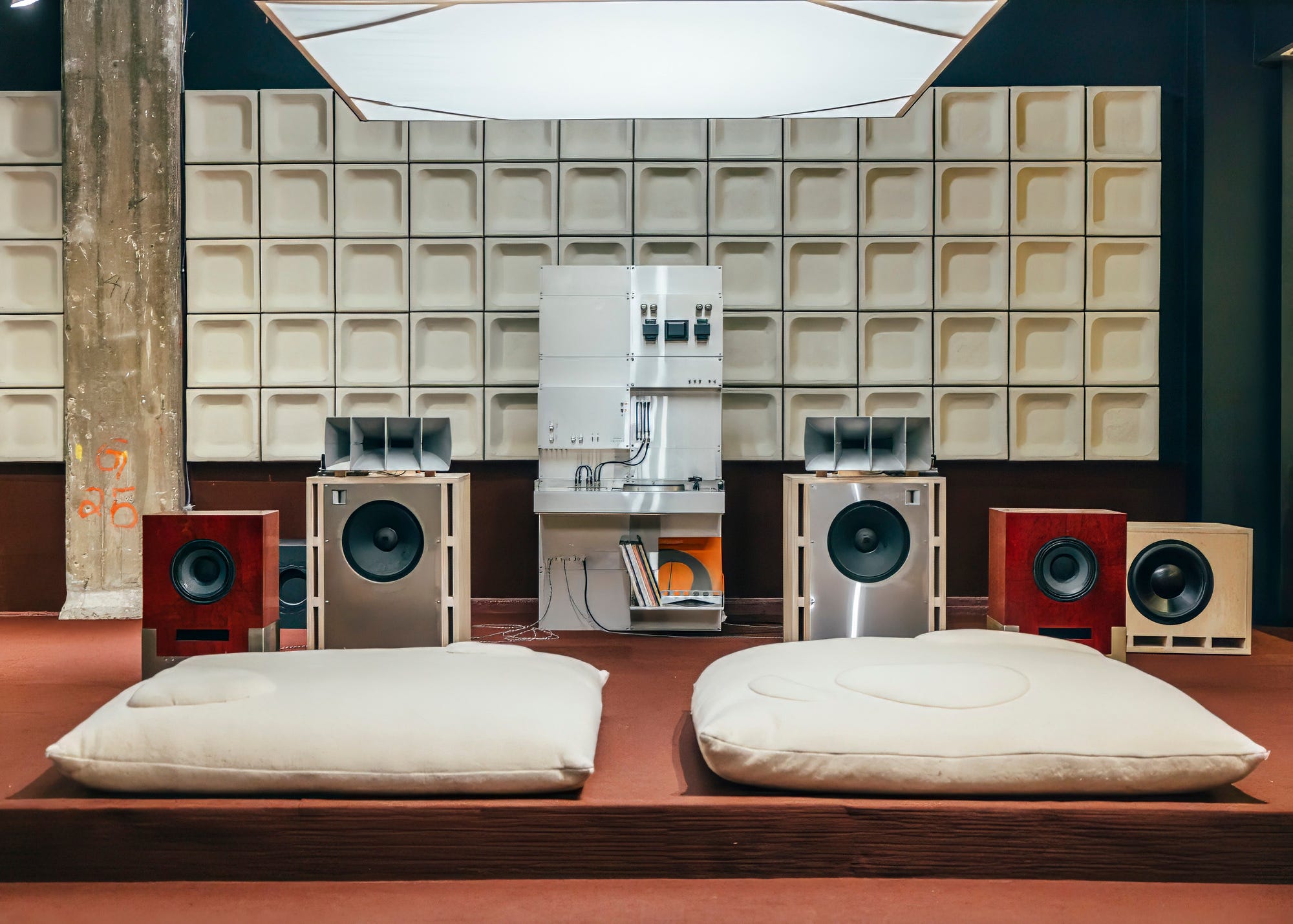
Americans have everything but the design.
Right now, if I asked you to picture a B&B Italia sofa, I bet you could. Now name a single piece of furniture HNI makes. Unless you work with them, I doubt you can. And HNI dwarfs B&B in sales. HNI, Haworth, and MillerKnoll shape more of the rooms we live and work in than most of the big Italian design houses combined. American companies own the volume.
But the design, the language, the look, and the aspiration of furniture and interiors? That’s European.
If American companies ever learn to talk about their work the way Europeans do and lead with design, they’ll own all of it. They already have the sales.
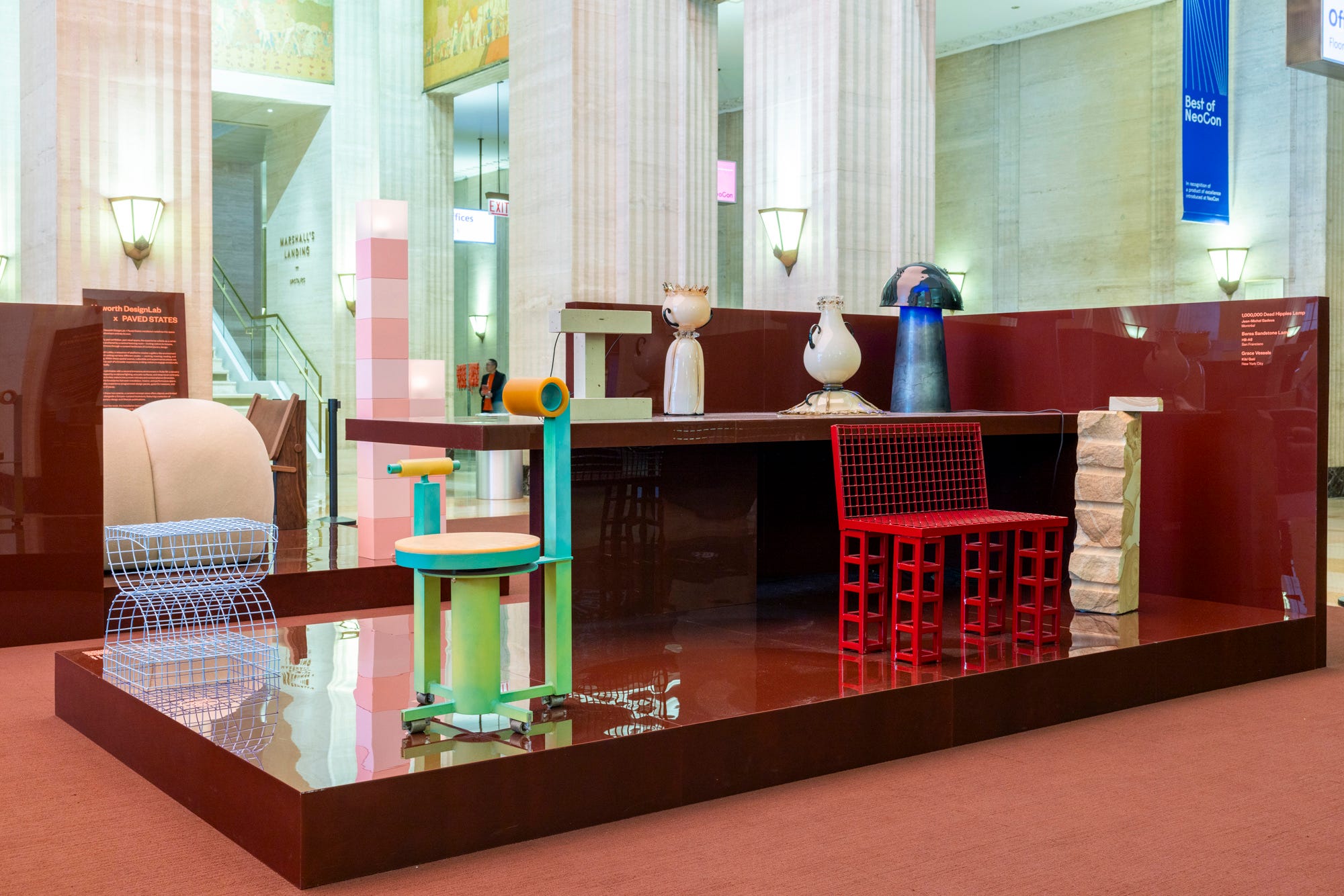
Stay vertical. One thing, not two.
Patricia kept telling me to “stay vertical.” I took it to mean: know the one thing you must stand on and let everything else flow around it.
This was my biggest takeaway—hearing it, but also seeing it more clearly in practice. You can stand on the object, the way Europeans do, where design and craft and “emotion” (an Italian favorite) come first, sometimes to the point of never scaling the business.
Or you can stand on distribution, the way Americans do, where sales and reach and numbers come first. Both are verticals. Both work. Stand on all of it equally—design, scale, margin, community—and you’re standing on nothing.
Some of this is a matter of difference in market size, but most of it is probably where emphasis goes. You can chase the work and business will follow, but something always has to lead.
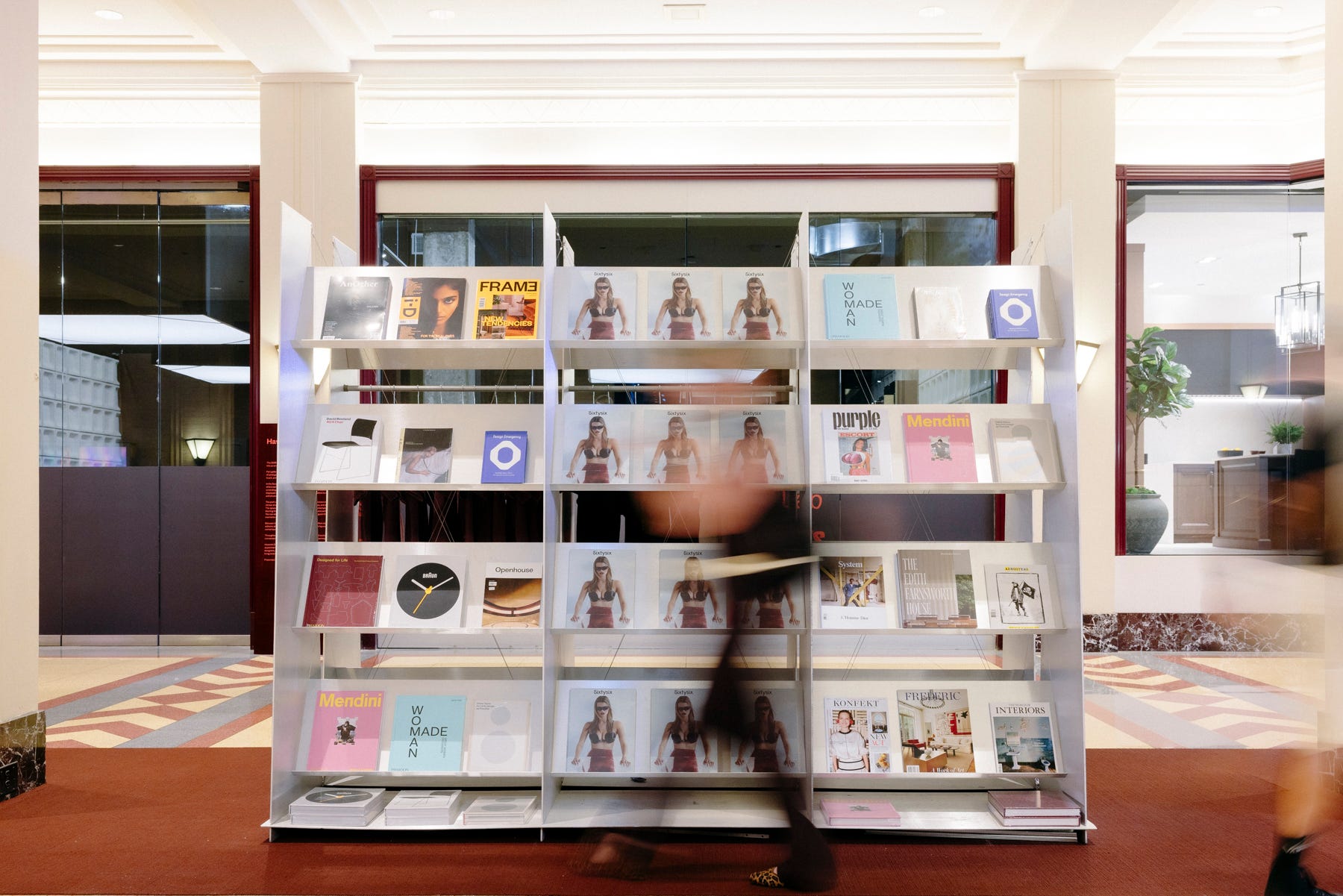
The gift must always move.
Lewis Hyde wrote a whole book about this. The Gift, published in 1983, makes the case that art never really belongs to the market. It belongs to a “gift economy” where a gift holds its value as long as it keeps moving. If you hoard it, it’s no longer a gift, it’s a commodity. A sold sofa is worth what it sold for. An experimental piece is worth every room, every mood board, every iteration it shows up in after.
Patricia fought to keep the exhibition arm’s length from anything commercial. She was clearly focused on “the gift,” on saying something about design that would carry, and that would always move. We showed no sellable furniture. The programming and the panels were unexpected and a little strange, and none of it was for sale (shout out to everyone who came through to get a custom grill made). Everything came back to the same place: the future of design, and the passions and anxieties emerging designers carry about how we live now.
The show was a huge success. With a few weeks behind me now, I’m thinking:
Anyone working in PR, marketing, events, and communication design has a lot of opportunity in the American furniture industry. No one is really doing these things very well.
Collaborating with people much smarter and more experienced than you is so extraordinarily valuable. If those opportunities come up, regardless of the finances, take them. I’m very thankful for everything I learned from the Haworth and Studio Urquiola teams; they were all very generous with their expertise and experience.
Know what you want to stand up for, then stick to it.
People really like gift bags.
This is the 100th edition of Money Folder!
I started Money Folder during the pandemic, pretty much on a whim. I had no idea it would get the traction it did.
I took Rick Rubin’s advice and wrote for myself. “The audience comes last.”
Most of you work professionally in design, and a lot of you run big companies. This is kind of terrifying sometimes, because I’m a total dumbass and you are, I’m assuming, very smart.
If you have liked reading Money Folder, write back and tell me! Or forward this email to someone. Thanks! See you in a few.